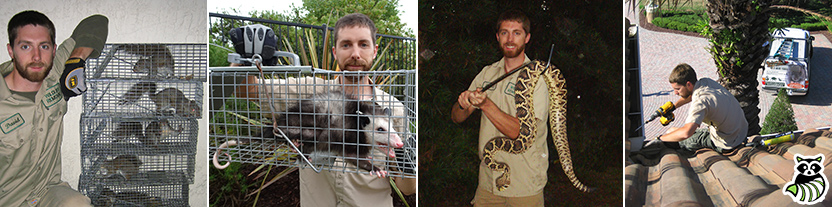
Wildlife control is specialty work, and every job is different. There's no one-price-fits all option. To get a free price quote over the phone for your wildlife situation,
call us at 424-758-1794 and describe your animal issue, and we can give you a phone estimate. Factors that can affect price include:
- Type of animal and number of animals
- Location of animals (yard, or in attic?)
- Number of trap setups we will need to use
- Amount of animal damage repairs needed
- Size of house, extent of inspection needed
- Potential dangerous roof or animal factors
- Do you need animal waste and odor cleanup?
- Driving distance to your property
 Our company also specializes in bird control services. We prevent birds such as pigeons, common starlings, house sparrows, crows and gulls from roosting on your building or roof, depending on the area. Bird control is important because pest birds can create health-related problems through their feces, including histoplasmosis, psittacosis and Cryptococcus. These droppings may also cause damage to property and equipment. The methods of bird control that we use include physical and visual deterrents, multi-sensory deterrents, sonic devices, active barriers and trained birds of prey (falconry) among others. Birds usually adapt after exposure to devices that are not alive or an actual threat to their survival. Such control devices include sound devices, mechanical devices, partial perch modifications and windblown scare devices. This makes such devices an unwise investment despite their inexpensive nature. In contrast, birds cannot adapt to total blocking methods or mild electrical low current stimuli that modifies behavior. The Humane Society of the United States (HSUS) recommends that the most effective avian control devices are contraceptives, bird netting, mesh and low current electrical barriers. Chemical deterrents range from products for turf to taste aversion products and fogging agents. We use only the ones which are safe for birds. In 2013, Dr. John Swaddle and Dr. Mark Hinders at the College of William and Mary created a new method of deterring birds and other animals using benign sounds projected by conventional and directional speakers. We use this new technology to displace problematic birds from residential or commercial areas.